
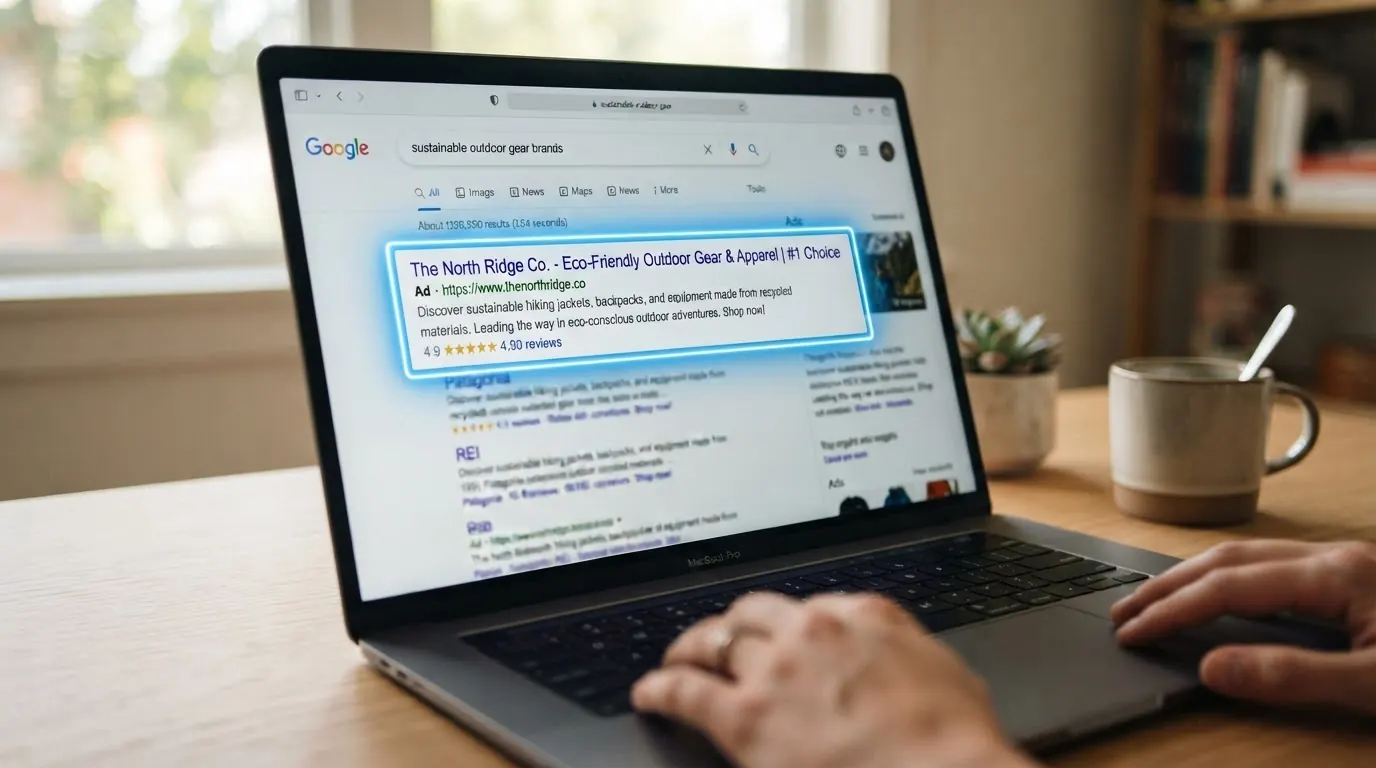
The quick answer: Ranking on Google in 2026 requires more than keywords and backlinks. The bar has risen significantly. Google now evaluates your website on technical performance, content quality, local relevance signals, user experience, and — increasingly — how well your site communicates with AI systems that answer questions on Google's behalf. This article gives you the complete picture for small businesses.
The Five Pillars of Google Ranking for Small Businesses in 2026
1. Technical Foundation
Your website must meet Google's technical baseline before content even matters. Core requirements: HTTPS (SSL certificate) — non-negotiable and free with most hosts. Page speed under 3 seconds on mobile — Google uses Core Web Vitals (Largest Contentful Paint, Interaction to Next Paint, Cumulative Layout Shift) as ranking signals. Mobile-first design — Google indexes your mobile version first. Clean URL structure — descriptive, readable URLs with no unnecessary parameters. Proper canonical tags — to prevent duplicate content issues. XML sitemap submitted to Google Search Console. Robots.txt file that doesn't accidentally block important pages.
2. On-Page SEO Structure
Each page on your site needs to be optimized for a specific, intentional keyword target. Key elements: One H1 per page that includes your primary keyword. H2 and H3 subheadings that support the topic with related terms. Meta title under 60 characters with your keyword near the front. Meta description under 160 characters that reads naturally and includes the keyword. Image alt text that describes the image using relevant terms. Internal links to related pages on your site. Outbound links to authoritative sources where relevant.
3. Local SEO Signals
For small businesses serving a geographic area, local signals are the most powerful ranking factor of all. Essential local SEO elements in 2026: Your city and service area mentioned in your H1, page title, and naturally throughout your content. Individual pages for each service you offer — not one page listing all services. Individual pages for each major area you serve — location pages with local context. LocalBusiness JSON-LD schema markup with your name, address, phone, hours, and service area. NAP (Name, Address, Phone) consistency across your website, Google Business Profile, and all directories. Google Business Profile optimized and actively maintained — linked bidirectionally with your website.
A single well-optimized location page targeting “web design La Crete Alberta” will outrank a generic services page targeting “web design” almost every time. Specificity wins in local search.
4. Content Quality and AEO Readiness
Google's AI Overviews (and external AI tools like ChatGPT) are now answering many searches directly — pulling from websites they consider authoritative and well-structured. To be cited by AI and to rank for informational queries, your content needs: Direct answer formatting — lead every article or service page with a clear, concise answer to the question the page targets. FAQ sections with FAQPage JSON-LD schema — structured Q&A that AI models can extract directly. Factual, specific content — vague content that doesn't commit to a specific answer gets ignored by both Google and AI tools. Regular publishing cadence — a blog that answers the real questions your customers are searching for builds topic authority over time. Author signals — content attributed to a real person (name, credentials, location) performs better in Google's trust evaluation.
5. Authority and Trust Signals
Google evaluates how trusted your website is relative to competitors. Key authority signals for small businesses: Google reviews — quantity, quality, recency, and response pattern all matter. Local citations — consistent NAP mentions across directories, local chambers of commerce, and industry associations. Backlinks from local sources — local news sites, community organizations, partner businesses. Google Business Profile engagement — photos, posts, Q&A, and review responses signal an active, legitimate business. Domain age and history — older domains with clean history have a trust advantage, but this can be overcome with strong on-page work.
The Most Common Reasons Small Business Websites Don't Rank in 2026
No mobile optimization or slow load speed — Google won't rank a site that provides a poor mobile experience.
Targeting keywords that are too broad — “web design” won't rank; “web design northern Alberta small business” will.
All services on one page — Google can't rank one page for 8 different services. Build individual service pages.
Missing local signals — No mention of your city, region, or service area in page titles, headings, or content.
No schema markup — Google and AI tools have less confidence in sites without structured data.
Never updated — A static website that hasn't published new content in 2 years signals low authority to Google.